


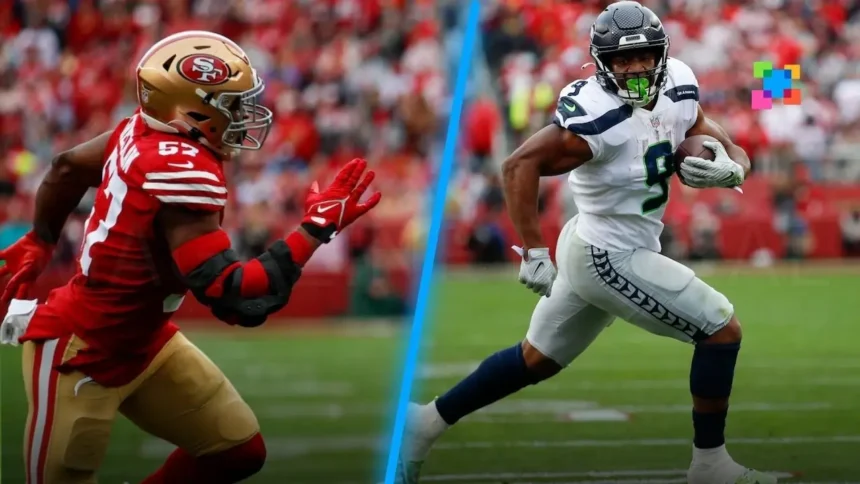
The matchup between the Seattle Seahawks and the San Francisco 49ers on January 4, 2026, attracted significant attention from football fans. These two NFC West rivals have built a long history of intense competition. Every meeting between them carries playoff implications and divisional pride. This particular game proved to be a defensive and strategic battle rather than a high-scoring shootout. Both teams entered the field determined to end their season on a strong note while showcasing their key players.
From the opening kickoff, the Seahawks demonstrated a well-organized game plan. Their offense controlled the pace, while the defense limited the 49ers’ opportunities. The game highlighted several standout performances, especially on Seattle’s side. The 49ers struggled to find offensive rhythm throughout the contest. This article explores the complete player statistics, team comparisons, and top performers who influenced the outcome of the Seahawks vs 49ers matchup.
Quick Score Table
| Team | Q1 | Q2 | Q3 | Q4 | Final |
|---|---|---|---|---|---|
| Seattle Seahawks | 7 | 3 | 0 | 3 | 13 |
| San Francisco 49ers | 0 | 3 | 0 | 0 | 3 |
Quick Match Stats Table
| Category | Seattle Seahawks | San Francisco 49ers |
|---|---|---|
| Total Plays | 67 | 42 |
| Total Yards | 361 | 173 |
| Yards per Play | 5.4 | 4.1 |
| Passing | 181 | 120 |
| Sacks-Yards Lost | 2-17 | 3-7 |
| Rushing | 180 | 53 |
| Rushing Attempts | 39 | 12 |
| Yards per rush | 4.6 | 4.4 |
| Penalties | 5-25 | 3-31 |
| Turnovers | 0 | 1 |
| Possession | 37:48 | 22:12 |
First Quarter Highlights and Key Plays
The first quarter immediately set the tone for the matchup. Seattle’s offense began with a confident drive that showcased both rushing efficiency and controlled passing. The Seahawks quickly moved the ball downfield through a combination of short passes and strong running plays. This drive resulted in the first touchdown of the game, giving Seattle an early advantage.
San Francisco attempted to respond but faced strong defensive pressure. The Seahawks’ defensive line forced quick decisions and limited the 49ers’ rushing opportunities. As a result, San Francisco struggled to sustain drives during the opening period. Seattle’s early touchdown established momentum and allowed them to dictate the pace of the game.
Second Quarter Game Momentum and Turning Points
The second quarter brought a more balanced contest. Seattle continued to manage the game effectively while the 49ers attempted to stabilize their offense. The Seahawks added a field goal to extend their lead, demonstrating their ability to convert scoring opportunities even when drives slowed near the red zone.
San Francisco finally reached the scoreboard with a field goal later in the quarter. Although the points helped reduce the deficit, the 49ers still struggled to build consistent offensive drives. Seattle’s defense remained disciplined and prevented explosive plays. By halftime, the Seahawks maintained a comfortable lead and clear control over the game’s momentum.
Third Quarter Adjustments and Performance Analysis
Both teams entered the second half looking to make adjustments. San Francisco attempted to increase offensive aggression by relying more on passing plays. However, Seattle’s defense continued to apply pressure and limit yardage gains. The Seahawks’ defensive unit maintained strong coverage and forced the 49ers into difficult third-down situations.
Seattle’s offense also focused on maintaining possession rather than taking unnecessary risks. Their balanced attack allowed them to sustain drives and control the game clock. Although neither team scored during the third quarter, Seattle’s ability to protect its lead demonstrated effective game management and disciplined execution.
Fourth Quarter Drama and Match-Deciding Moments
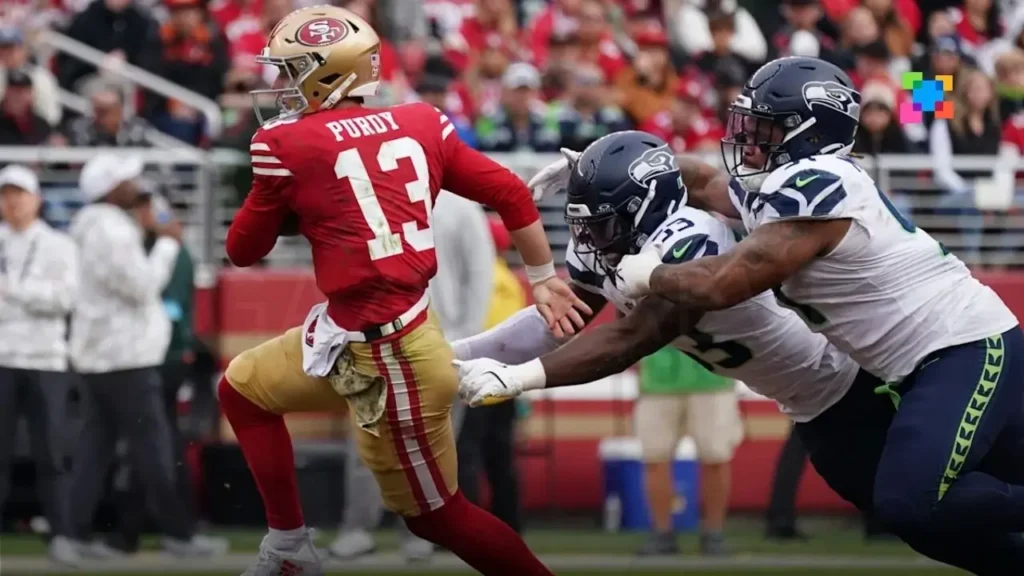
The final quarter ultimately secured Seattle’s victory. The Seahawks added another field goal, extending their lead to ten points. This score made it increasingly difficult for San Francisco to mount a comeback. The Seahawks continued to dominate possession and limit the 49ers’ opportunities to score.
San Francisco attempted several late drives but struggled against Seattle’s organized defense. The Seahawks forced multiple stalled possessions and prevented the 49ers from reaching the end zone. By the end of the fourth quarter, Seattle had firmly secured the 13-3 win, completing a disciplined and controlled performance.
Top Performers from the Seattle Seahawks
Seattle’s victory on January 4, 2026 was built on several strong individual performances. The Seahawks executed their strategy with discipline and consistency. Their offense balanced passing and rushing effectively while the defense prevented the 49ers from building momentum. Several players stepped forward to deliver key plays that influenced the outcome. These performances helped Seattle maintain control throughout the matchup.
The Seahawks’ offensive unit gained 361 total yards and executed 67 plays, demonstrating efficiency and patience. Their rushing attack produced 180 yards on 39 attempts, showing physical dominance at the line of scrimmage. The defense also contributed by limiting San Francisco to only 173 total yards. These efforts reflected a well-coordinated team performance and highlighted the players who delivered impactful contributions during the game.
Top Performers from the San Francisco 49ers
Despite the loss, a few 49ers players still delivered respectable performances. The team faced significant pressure from Seattle’s defense, which disrupted offensive rhythm throughout the game. San Francisco struggled to maintain possession and execute consistent drives. However, certain players demonstrated determination and effort while trying to shift momentum in their team’s favor.
The 49ers offense generated only 173 total yards and ran 42 plays, indicating how effectively Seattle controlled the matchup. San Francisco’s rushing attack produced just 53 yards on 12 attempts, limiting offensive versatility. Their passing game managed 120 yards but struggled against tight coverage and defensive pressure. Although the team could not secure victory, individual players continued to compete and contribute whenever opportunities appeared.
Quarterback Performance and Passing Yards Leaders
Quarterback play always plays a critical role in NFL matchups, and this game was no exception. Seattle’s quarterback demonstrated effective game management and accuracy throughout the contest. Instead of forcing risky throws, the offense relied on controlled passing to move the chains and maintain possession. This approach allowed Seattle to protect its lead while steadily advancing down the field.
San Francisco’s quarterback faced a more challenging situation. The Seahawks defense consistently applied pressure, forcing quick decisions and limiting deep passing opportunities. Despite these obstacles, the 49ers managed 120 passing yards during the game. However, the lack of explosive plays and sustained drives prevented them from turning those yards into touchdowns or meaningful scoring opportunities.
Running Backs Impact and Rushing Statistics
Seattle’s rushing attack proved to be one of the most influential factors in the game. The Seahawks accumulated 180 rushing yards on 39 attempts, averaging 4.6 yards per carry. This consistent ground performance helped Seattle control the clock and keep the 49ers defense on the field. Running backs repeatedly gained positive yardage, allowing the offense to maintain manageable down-and-distance situations.
The 49ers struggled to match this rushing efficiency. San Francisco produced only 53 rushing yards from 12 attempts, limiting offensive flexibility. Without a productive running game, the 49ers relied heavily on passing plays. This allowed Seattle’s defense to focus on coverage and apply pressure. The difference in rushing performance clearly highlighted Seattle’s physical advantage during the matchup.
Wide Receivers and Key Receiving Plays
Seattle’s receivers contributed significantly by creating consistent passing options. Their route running and timing helped the quarterback maintain steady drives. Even though the Seahawks did not rely heavily on long passes, their receivers executed short and intermediate routes effectively. These plays helped Seattle move the ball and maintain control of field position.
San Francisco’s receivers faced tighter defensive coverage throughout the game. Seattle’s secondary limited open space and forced contested catches. Despite these challenges, the 49ers receivers still produced several important plays that advanced drives. However, the lack of explosive receptions prevented San Francisco from gaining quick scoring opportunities or shifting the game’s momentum.
Defensive Standouts and Tackling Leaders
Defense played a crucial role in Seattle’s victory. The Seahawks defensive unit executed disciplined coverage while maintaining strong pressure on the quarterback. Their ability to contain both the passing and rushing attacks forced the 49ers into difficult situations. Seattle defenders repeatedly disrupted plays before they could develop.
San Francisco’s defense also showed moments of resilience. Although the Seahawks gained more yardage overall, the 49ers prevented multiple scoring opportunities. Their defensive line and linebackers limited Seattle to 13 total points despite the yardage difference. These efforts demonstrated determination and prevented the game from becoming a high-scoring contest.
Turnovers, Interceptions, and Defensive Plays
Turnovers often determine the outcome of close football games. In this matchup, Seattle protected the ball effectively and avoided major mistakes. The Seahawks committed zero turnovers, which allowed them to maintain momentum and control throughout the contest. Ball security played an important role in securing their victory.
San Francisco, however, recorded one turnover during the game. This mistake halted an offensive drive and provided Seattle with a valuable advantage. Turnovers often shift field position and momentum, and this instance proved significant. Seattle capitalized on the opportunity and continued to manage the game efficiently.
Special Teams Contributions and Field Goal Statistics
Special teams also played an important role in the outcome of the game. Seattle converted two field goals, which contributed six crucial points to their final score. These successful kicks helped maintain a comfortable lead and rewarded the offense for advancing into scoring territory. Special teams execution ensured that Seattle capitalized on its opportunities.
San Francisco managed only one field goal during the game. While this score prevented a shutout, it was not enough to challenge Seattle’s lead. Field position, kicking accuracy, and coverage units all influenced the rhythm of the game. Seattle’s stronger performance in special teams provided an additional advantage that contributed to their overall victory.
Complete Team Statistics Comparison
A closer look at the statistics reveals how strongly the Seattle Seahawks controlled the game against the San Francisco 49ers. Seattle ran 67 total plays compared to San Francisco’s 42. This difference highlights how effectively the Seahawks sustained drives and managed the game clock. The Seahawks also produced 361 total yards, more than double the 49ers’ 173 yards. Such dominance reflected their balanced offensive execution and ability to control field position.
Time of possession further illustrates Seattle’s advantage. The Seahawks controlled the ball for 37 minutes and 48 seconds, while the 49ers held it for only 22 minutes and 12 seconds. This large gap limited San Francisco’s opportunities to build offensive rhythm. Seattle also committed fewer costly mistakes by avoiding turnovers. The statistical comparison clearly demonstrates that Seattle’s consistency in offense, defense, and possession ultimately shaped the outcome of the game.
Key Player Matchups That Influenced the Game
Individual matchups often determine the flow of an NFL contest. In this game, Seattle’s offensive line performed exceptionally well against the 49ers’ defensive front. Their protection allowed the quarterback enough time to complete short and medium passes. It also opened lanes for the running backs to gain consistent yardage. This advantage in the trenches played a major role in Seattle’s offensive success.
Meanwhile, Seattle’s defensive secondary effectively contained San Francisco’s receivers. Tight coverage prevented deep passing opportunities and forced the 49ers to rely on shorter routes. As a result, the 49ers struggled to generate explosive plays. These one-on-one battles across the field shaped the rhythm of the game and reinforced Seattle’s overall control from start to finish.
Coaching Strategies and Tactical Decisions
Coaching decisions played a significant role in shaping the outcome of the game. Seattle’s coaching staff emphasized ball control, efficient rushing, and safe passing decisions. This approach minimized risk while allowing the team to gradually build its lead. By maintaining patience on offense and discipline on defense, Seattle executed a well-balanced game plan that proved effective throughout the contest.
San Francisco’s coaching staff attempted to adjust during the second half. They increased their reliance on passing plays in hopes of creating quick scoring opportunities. However, Seattle’s defense remained prepared for these adjustments. The Seahawks maintained pressure and prevented major breakthroughs. Ultimately, Seattle’s strategic discipline and game management outmatched the 49ers’ attempts to recover.
Game-Changing Moments That Defined the Match
Several moments significantly influenced the direction of the game. Seattle’s early touchdown in the first quarter immediately established momentum. That score forced San Francisco to play from behind for the remainder of the contest. Establishing an early lead allowed Seattle to control the pace and rely on its strong rushing attack.
Another crucial moment came when San Francisco committed its only turnover. This mistake halted a promising drive and shifted momentum back to Seattle. Turnovers often determine close games, and this one proved costly. Seattle capitalized on the opportunity and maintained its composure. These pivotal plays ultimately secured the Seahawks’ victory.
What This Match Means for Both Teams This Season
For the Seattle Seahawks, the victory demonstrated the team’s ability to execute a disciplined and balanced game plan. Their offense showcased strong rushing efficiency, while the defense successfully limited a divisional rival’s scoring opportunities. This performance reinforced Seattle’s identity as a team capable of controlling games through strategic execution and physical play.
For the San Francisco 49ers, the game highlighted areas that require improvement. Offensive consistency and rushing efficiency remain key priorities moving forward. Although the defense showed resilience by limiting Seattle to 13 points, the offense struggled to maintain drives. Learning from this performance will help the 49ers adjust their strategy and strengthen their overall competitiveness in future matchups.
Conclusion
The January 4, 2026 matchup between the Seattle Seahawks and the San Francisco 49ers showcased a disciplined and strategically executed performance by Seattle. By controlling possession, dominating rushing statistics, and maintaining defensive pressure, the Seahawks secured a convincing 13-3 victory. Their ability to manage the clock and avoid turnovers proved essential to the outcome.
Although the 49ers struggled offensively, the game still demonstrated the intensity of this NFC West rivalry. Both teams displayed determination and effort throughout the contest. The Seahawks ultimately emerged as the stronger team on that day, supported by effective coaching decisions and standout player performances. This matchup added another chapter to the long-standing rivalry between these two franchises.
Frequently Asked Questions
When did the Seahawks vs 49ers match take place?
The game between the Seattle Seahawks and the San Francisco 49ers took place on January 4, 2026. It was part of the NFL regular season and featured strong defensive performances from both teams.
What was the final score of the game?
The Seattle Seahawks defeated the San Francisco 49ers with a final score of 13-3. Seattle scored in the first, second, and fourth quarters, while San Francisco managed only one field goal.
Which team dominated the match statistics?
The Seattle Seahawks dominated most statistical categories. They recorded 361 total yards, ran 67 offensive plays, and controlled possession for 37 minutes and 48 seconds, which significantly exceeded the 49ers’ totals.
How many rushing yards did the Seahawks record?
Seattle’s rushing attack produced 180 rushing yards on 39 attempts, averaging approximately 4.6 yards per carry. This strong ground performance helped control the game’s tempo.
How many turnovers occurred in the game?
There was only one turnover during the game. The San Francisco 49ers committed that turnover, while the Seattle Seahawks protected the ball and recorded zero turnovers.
VISIT MORE: MAGAZINE REVEAL